
Ammunition Basics
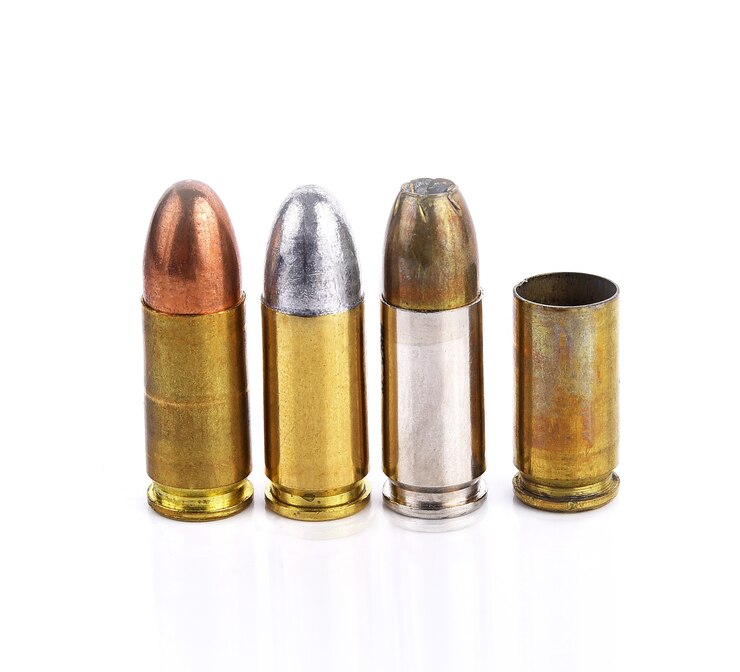
Ammunition is the lifeblood of any firearm, and understanding its basics is crucial for every gun owner. From terminology to storage, let's dive into the essentials of ammunition.
Understanding Common Terms
Before choosing ammunition, it's important to familiarize yourself with key terms:
- Caliber: The diameter of the bullet, such as 9mm or .45 ACP. It determines compatibility with your firearm.
- Grain (gr): The weight of the bullet, which affects its velocity, recoil, and impact.
- Velocity: The speed at which the bullet exits the barrel, measured in feet per second (fps).
- FMJ vs JHP: Full Metal Jacket (FMJ) is ideal for practice, while Jacketed Hollow Point (JHP) is preferred for self-defense due to its expansion on impact.
Choosing the Right Ammunition
Matching ammunition to your firearm is essential for safety and performance. Always check your firearm's barrel or manual for the recommended caliber. For practice, FMJ rounds are cost-effective and reliable. For self-defense, JHP rounds offer superior stopping power.
Safe Storage and Handling
Proper storage and handling of ammunition ensure safety and longevity:
- Store ammunition in a cool, dry place to prevent corrosion.
- Keep it out of reach of children and unauthorized users.
- Use original packaging or dedicated ammo boxes for organization.
- Follow local laws regarding ammunition storage and transportation.
Exploring Specialty Ammunition
Beyond the basics, there are specialty rounds designed for specific purposes, such as frangible rounds for training or armor-piercing rounds for tactical use. Understanding these options can help you make informed decisions based on your needs.
By mastering ammunition basics, you'll enhance your shooting experience and ensure safety at all times. Take the time to learn, and you'll be a more responsible and confident firearm owner.
← Back to Beginner's Corner